



Nanjing is one of China’s most historically significant cities, with imperial tombs, ancient city walls, important museums, scenic lakes, and lively traditional shopping districts. Located in Jiangsu Province along the Yangtze River, the city served as the capital of several Chinese regimes and played a major role in the country’s political and cultural history.

Things to do in Nanjing
Today, Nanjing offers a varied travel experience. History enthusiasts can explore the Ming dynasty’s architectural legacy, visitors interested in modern Chinese history can tour the former Presidential Palace, and food lovers can sample the city’s famous salted duck and traditional Jiangsu dishes. Parks, temples, riverside neighborhoods, and contemporary shopping districts add more variety to a visit.
Nanjing also works for different travel budgets. Travelers can explore public parks and historic neighborhoods cheaply, while those seeking more comfort can choose upscale hotels, refined restaurants, and private guided tours.
This guide covers the 15 best things to do in Nanjing, China, alongside practical information on transportation, local food, travel costs, and planning a visit.
1. Visit Sun Yat-sen Mausoleum
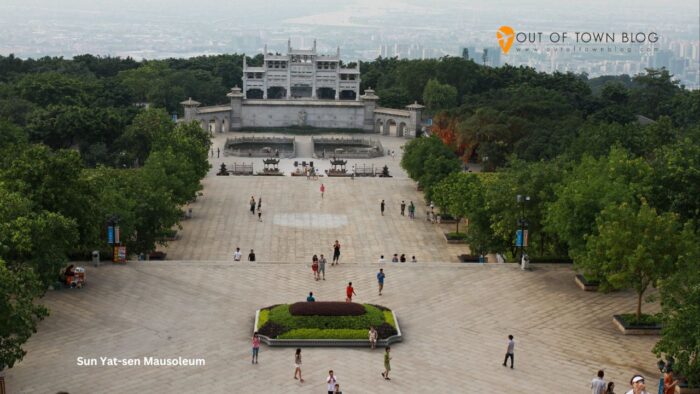
The Sun Yat-sen Mausoleum is one of Nanjing’s most recognizable landmarks. It honors Sun Yat-sen, a political leader widely regarded as the father of modern China and a key figure in the movement that ended imperial rule in 1912.
The mausoleum stands on Purple Mountain within a large scenic area. Its monumental staircase, blue-tiled roof, symmetrical architecture, and surrounding forest create an impressive setting. Visitors climb a long series of steps to reach the main memorial hall, where they can learn about Sun Yat-sen’s legacy.
The surrounding grounds are also worth exploring. Tree-lined paths and landscaped areas make this a rewarding destination for architecture enthusiasts, photographers, and travelers who want to spend time outdoors.
Practical tips: Allow two to three hours for the mausoleum and its surroundings. Wear comfortable shoes because the steps and walking routes require some effort. Check the current reservation requirements and operating hours before visiting, particularly during public holidays.
2. Explore the Ming Xiaoling Mausoleum
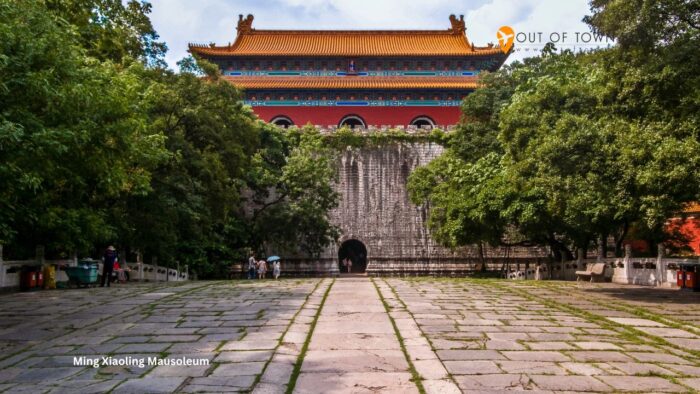
The Ming Xiaoling Mausoleum is the burial complex of the Hongwu Emperor, founder of the Ming dynasty. It is one of Nanjing’s most important heritage sites and offers a closer look at imperial funerary architecture.
One highlight is the Sacred Way, a ceremonial route lined with stone animal and guardian figures. The statues symbolize protection for the imperial tomb. Walking along this avenue lets you appreciate the complex’s scale and the craftsmanship of its stone sculptures.
The wooded landscape changes with the seasons. Autumn is particularly attractive, with golden and reddish leaves around the historic pathways. Spring brings fresh greenery and a pleasant atmosphere for longer walks.
Practical tips: Set aside two to three hours, especially if combining the mausoleum with nearby Purple Mountain attractions. The grounds cover a substantial area, so comfortable footwear is essential. Check whether separate tickets or combined passes apply to the sites you plan to visit.
3. Spend Time on Purple Mountain
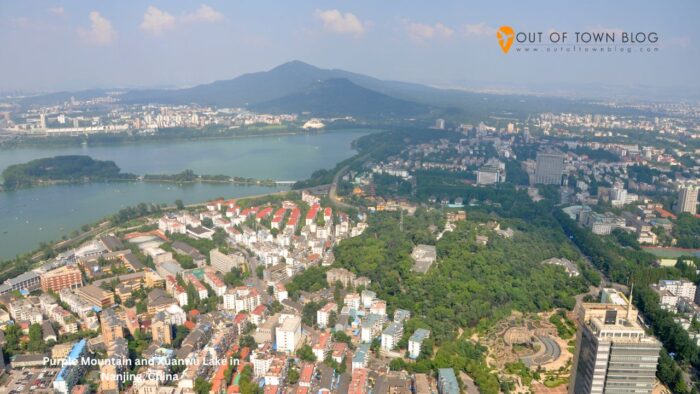
Purple Mountain is a large scenic area that brings together historic monuments, temples, gardens, and forested walking routes. It is an excellent choice for travelers who want to balance sightseeing with outdoor activities.
Beyond the Sun Yat-sen Mausoleum and Ming Xiaoling Mausoleum, the wider area offers trails and viewpoints that reveal another side of Nanjing. Depending on the route, visitors can enjoy wooded paths, landscaped gardens, and views across the city.
Purple Mountain is especially suitable for active travelers and photographers. It also provides a quieter alternative to the busy commercial streets in central Nanjing.
Practical tips: Plan your route before you arrive, as the attractions are spread across a large area. You can spend half a day here or devote an entire day to several sites. Bring water, sun protection, and suitable walking shoes. Public transportation and local shuttle services can help reduce walking between distant entrances.
4. Discover the Nanjing Massacre Memorial Hall
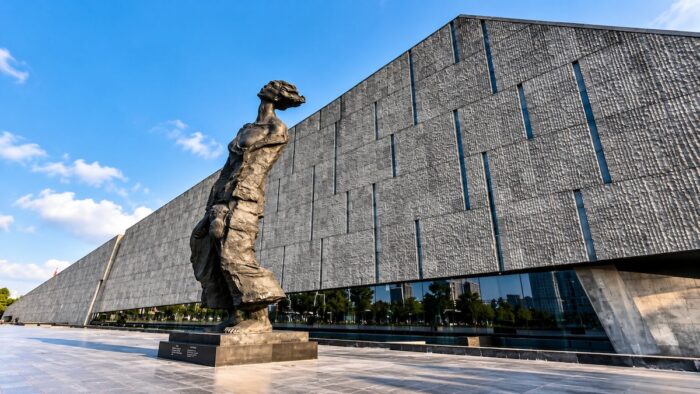
The Memorial Hall of the Victims in the Nanjing Massacre by Japanese Invaders is one of the city’s most significant historical institutions. It commemorates the victims of the Nanjing Massacre, the mass killings and other atrocities committed by Japanese troops following the capture of Nanjing in December 1937.
The memorial combines exhibitions, photographs, historical records, personal accounts, and commemorative spaces. Its displays examine the events surrounding the massacre and the experiences of civilians and survivors. Visitors should allow time to read the exhibits rather than treating the site as a quick sightseeing stop.
This visit offers important historical context for understanding Nanjing and modern Chinese history. The subject matter is distressing, so travelers should approach the memorial with sensitivity and respect.
Practical tips: Allow at least two hours for a thorough visit. Confirm opening days, admission arrangements, and reservation requirements in advance. Photography restrictions may apply in certain exhibition areas. Avoid planning this visit as a rushed stop between unrelated attractions.
5. Tour the Presidential Palace

The Presidential Palace of Nanjing traces several chapters of Chinese political history. The complex served different administrative functions over time and became closely associated with the Republic of China government.
Its grounds contain traditional courtyards, historic buildings, landscaped gardens, and exhibition spaces. The mix of architectural styles reflects the site’s changing roles over time. It is a useful destination for travelers interested in the transition from imperial rule to modern government.
The complex is large enough to fill a substantial part of a morning or afternoon. Visitors can explore the buildings and gardens at their own pace, with historical displays providing context for the people and events connected to the site.
Practical tips: Admission is commonly CNY 35, though prices and operating arrangements can change. The site has historically been closed on Mondays, except during special holiday arrangements. Published hours may vary by season, and advance real-name reservations may be required. Confirm the latest details before visiting.
6. Explore Nanjing Museum

Nanjing Museum is a worthwhile stop for anyone who wants to understand the region’s history, art, and material culture. Its collections span archaeological discoveries, traditional paintings, ceramics, historical objects, and other artifacts associated with Jiangsu and China.
The museum is particularly useful for visitors who want more context before exploring the city’s tombs, temples, and historic districts. Exhibitions introduce different periods of Chinese history and demonstrate how artistic styles and everyday objects changed over time.
Museum visits also provide a welcome indoor activity during hot, humid, or rainy weather. Depending on your interests, you can focus on a few galleries or spend several hours exploring the collections.
Practical tips: Check current admission rules, opening days, and reservation arrangements. Bring your passport if the venue requires identity verification. Avoid scheduling the museum too close to another major attraction, since exhibition time can easily run longer than planned.
7. Walk Along the Nanjing City Wall
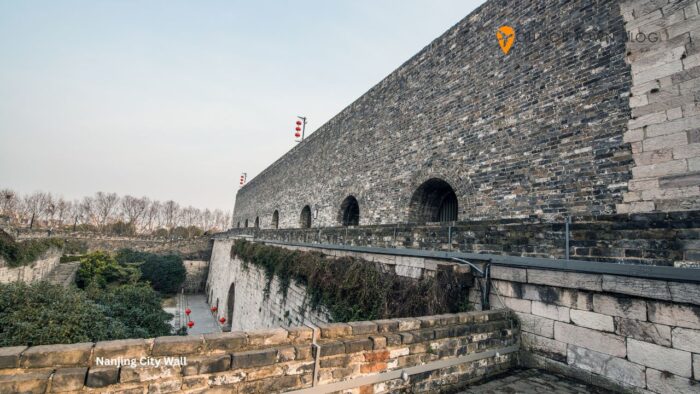
The Nanjing City Wall offers a tangible connection to the city’s past as a major imperial capital. Sections of the Ming-era fortifications remain standing, revealing the scale of the defensive system built around the historic city.
Walking along an accessible section lets visitors examine the old brickwork, gates, and defensive structures. Certain stretches also provide views of modern Nanjing, creating a striking contrast between centuries-old fortifications and the contemporary urban landscape.
The wall is a good option for history-minded travelers who prefer an outdoor experience over a museum visit. It also suits photographers seeking architectural details and elevated city views.
Practical tips: Choose an accessible section based on your itinerary rather than attempting to cover the entire wall. Some areas have steps and uneven surfaces. Check ticket arrangements for the specific entrance, as access and admission can differ by section.
8. Visit Confucius Temple and the Qinhuai River
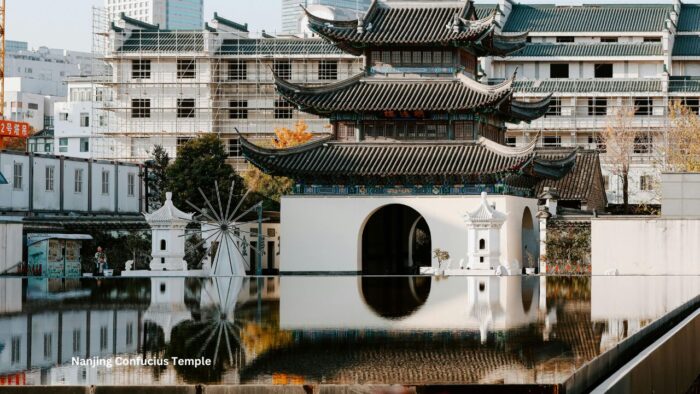
Confucius Temple and the surrounding Qinhuai River district are among the city’s liveliest sightseeing areas. The historic temple complex is tied to Confucian learning, while nearby streets feature traditional architecture, shops, restaurants, and snack stalls.
The area becomes particularly atmospheric in the evening, when illuminated buildings reflect across the water. Visitors can stroll along the riverbanks, browse local products, sample Nanjing snacks, or consider a boat ride when services are operating.
This district combines cultural sightseeing with food and shopping, making it suitable for couples, families, and independent travelers. It is also a convenient place to experience Nanjing after the city’s museums and monuments close for the day.
Practical tips: Visit in the late afternoon and stay into the evening. The main commercial streets can become crowded on weekends and holidays. Budget separately for shopping, snacks, and optional boat rides, as attraction admission doesn’t necessarily include these expenses.
9. Relax at Xuanwu Lake
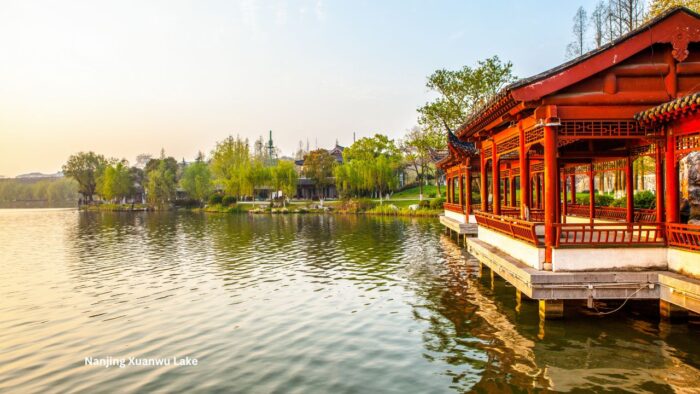
Xuanwu Lake is a large urban lake surrounded by walking paths, gardens, islands, and city views. It provides a refreshing break from museums and historic sites, particularly for travelers spending several days in Nanjing.
Visitors can walk along the waterfront, photograph the skyline, watch local residents exercising, or simply enjoy the open space. Seasonal flowers and changing foliage add interest year-round. The surrounding area also makes it easy to combine outdoor recreation with nearby city attractions.
Xuanwu Lake is an especially appealing choice for families and budget-conscious travelers who want an enjoyable activity without committing to a full day of paid sightseeing.
Practical tips: Visit early in the morning for a quieter walk or later in the afternoon for softer light. The wider park area is extensive, so choose a manageable route if time is limited. Check the latest access information if you intend to visit specific islands or facilities.
10. See Jiming Temple
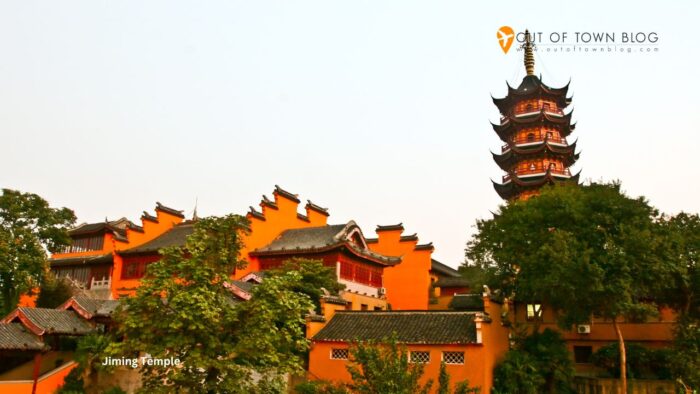
Jiming Temple is a historic Buddhist temple known for its traditional architecture and peaceful atmosphere. It sits in an urban setting near Xuanwu Lake, making it easy to fit into a sightseeing day in central Nanjing.
The temple grounds offer a glimpse into Buddhist religious practices and Chinese temple design. Visitors can observe the buildings, incense offerings, and surrounding scenery while learning about temples’ role in local cultural life.
During cherry blossom season, the surrounding area can become particularly popular with photographers. The combination of temple architecture and seasonal flowers creates a memorable setting, although crowds can increase substantially during peak bloom.
Practical tips: Dress respectfully, keep your voice low, and follow posted rules for photography and religious spaces. Visit on a weekday if possible. Combine the temple with Xuanwu Lake rather than traveling across the city solely for a short visit.
11. Explore Laomendong Historic District
Laomendong is a restored historic neighborhood that blends traditional architecture with contemporary shops, cafes, restaurants, and cultural businesses.
The pedestrian-friendly streets are ideal for leisurely exploration. Travelers can browse small stores, sample regional snacks, photograph traditional-style buildings, and discover craft products. The district especially appeals to visitors who enjoy local culture but prefer an informal setting to a formal museum.
Laomendong also pairs well with the Confucius Temple area, allowing travelers to explore two historic districts in one outing. Each has its own atmosphere, with Laomendong focusing on traditional streetscapes and small businesses.
Practical tips: Visit in the afternoon and stay for dinner to experience the neighborhood after dark. Some shops and restaurants charge separately for food and activities, so plan your spending around your interests. Weekends and holidays are usually busier.
12. Discover Zhonghua Gate
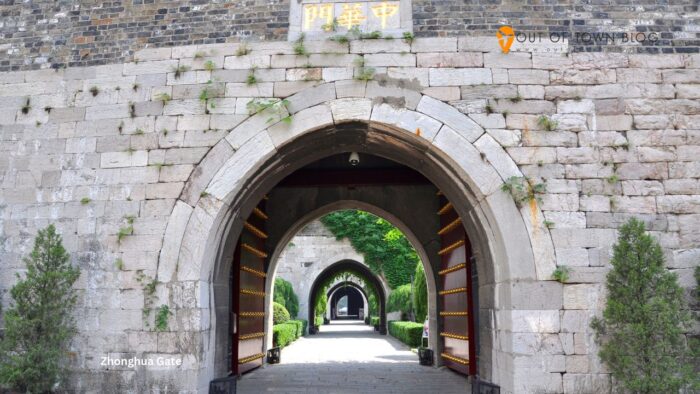
Zhonghua Gate is one of the most impressive surviving gates associated with Nanjing’s Ming-era city defenses. Its complex structure demonstrates how historic fortifications used multiple courtyards, passageways, and defensive barriers to control access to the city.
Visitors can explore the fortress architecture and examine the scale of the walls and gate passages. The site is particularly interesting for travelers who want to understand how Nanjing functioned as a fortified capital.
Zhonghua Gate also complements a visit to the Nanjing City Wall, since both attractions reveal different aspects of the city’s defensive system.
Practical tips: Allow one to two hours, depending on how much of the complex is open to visitors. Wear shoes suitable for stairs and uneven surfaces. Confirm current ticket prices and access arrangements before your visit, particularly if you plan to enter more than one section of the wall.
13. Visit Niushoushan Cultural Tourism Zone
Niushoushan Cultural Tourism Zone offers a different experience from the city’s older historic districts. The large cultural complex is known for its monumental contemporary architecture, Buddhist cultural features, landscaped grounds, and elaborate interior spaces.
Its standout attraction is Foding Palace, a striking architectural complex built to house and interpret the site’s Buddhist cultural heritage. The design and scale appeal to travelers interested in architecture, religious art, and large modern cultural developments.
Niushoushan is a good option for visitors who have already explored Nanjing’s main museums and Ming dynasty landmarks and want something visually distinctive.
Practical tips: Set aside half a day, as the site is large and requires walking between different areas. Check ticket prices, shuttle arrangements, and access to individual buildings in advance. If mobility is a concern, confirm the available transport within the grounds before booking.
14. Enjoy Qixia Mountain
Qixia Mountain is a scenic destination known for its wooded slopes, temple heritage, and seasonal foliage. It is especially popular in autumn, when the mountain’s maple leaves attract visitors seeking colorful landscapes.
The area offers walking routes and opportunities to explore the surrounding cultural sites. Nature photographers can spend time capturing the forest, traditional buildings, and changing colors across the hillsides.
Qixia Mountain is particularly appealing for those who want to experience a quieter side of Nanjing beyond the central commercial districts. Its seasonal appeal makes it worth considering when you plan your travel dates.
Practical tips: Autumn foliage draws large crowds, especially on weekends. Visit on a weekday and arrive early if you want more time for photography. Bring comfortable shoes, and check the weather before you go. Allow half a day or longer if you want to explore the grounds at a relaxed pace.
15. Experience Nanjing’s Modern City Life in Xinjiekou
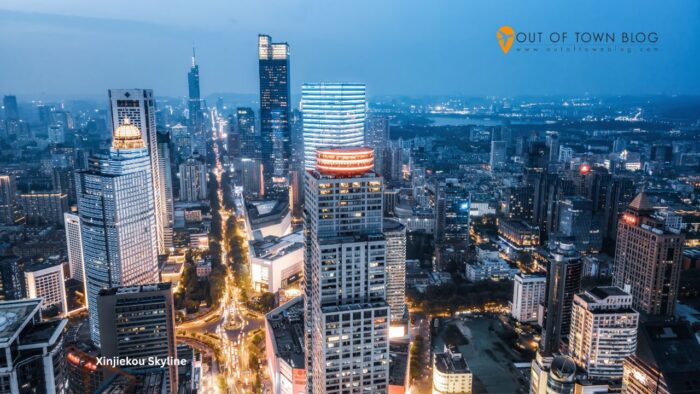
Xinjiekou is one of Nanjing’s major commercial districts, with department stores, shopping centers, restaurants, cafes, and hotels. It offers a useful contrast to the city’s historic monuments and traditional neighborhoods.
Travelers can browse local and international brands, try contemporary Chinese dining, visit cafes, and observe everyday life in a major Chinese city. The area is particularly convenient for visitors who want modern amenities and a wide range of accommodation choices.
Xinjiekou also works as a practical base for sightseeing because it connects with major metro routes. After several days of temples, memorials, and museums, a relaxed shopping or dining session can round out the trip.
Practical tips: Visit in the late afternoon or evening, when shops and restaurants are open and busy. Compare prices before purchasing branded goods, and check store hours around public holidays. Use the metro to avoid traffic when traveling between Xinjiekou and major tourist attractions.
What to Eat in Nanjing: Local Dishes Worth Trying
Nanjing’s food culture closely follows Jiangsu cuisine, which often emphasizes fresh ingredients, careful preparation, balanced seasoning, and varied textures. Try these dishes.
1. Nanjing Salted Duck
This is one of the city’s signature dishes. The duck has a delicate, savory flavor, with seasoning that lets the meat’s natural taste shine through. Look for it in local restaurants and specialist duck shops.
2. Duck Blood Vermicelli Soup
This popular local soup typically combines vermicelli, duck blood curd, duck offal, tofu products, and broth. Ingredients vary by vendor. It is a good choice for adventurous eaters who want to try a dish strongly associated with Nanjing.
3. Soup Dumplings and Tangbao
These dumplings contain hot broth and a savory filling. Eat them carefully because the soup can be very hot. They make a popular breakfast or snack, especially when paired with a warm drink.
4. Pan-Fried Dumplings
Crispy-bottomed dumplings are a satisfying option for a casual meal. Fillings vary, with pork-and-vegetable combinations common. Order a small serving first if you want to sample several local dishes.
5. Sesame Flatbread and Traditional Pastries
Local bakeries and snack stalls sell savory and sweet baked goods that work well for breakfast or an afternoon snack. Look for traditional sesame flatbreads and other regional pastries around busy food streets.
Where to Find Local Food
- Confucius Temple and Qinhuai River: Convenient for snacks, casual restaurants, and an evening food walk.
- Laomendong: A good place to combine traditional streetscapes with cafes, local specialties, and small food shops.
- Xinjiekou: Offers a wider choice of restaurants, shopping mall food courts, and modern dining options.
- Neighborhood restaurants: Often provide a more everyday dining experience than the busiest tourist streets.
For a special meal, look for a restaurant serving Jiangsu cuisine and ask about its seasonal specialties. Travelers with dietary restrictions should explain them clearly, since broths, sauces, and fillings may contain ingredients that are not immediately obvious.
Practical Nanjing Travel Guide
Best Time to Visit Nanjing
Spring (March to May) and autumn (September to November) are generally comfortable for sightseeing. Spring brings fresh greenery and seasonal flowers, while autumn offers pleasant conditions for walking around historic sites and scenic areas.
Summer can be hot, humid, and rainy. Winter is colder, so travelers should pack layers and prepare for chilly outdoor sightseeing. If autumn foliage is a priority, check seasonal updates before booking because peak colors vary with weather.
Major Chinese public holidays can bring heavy crowds and higher demand for accommodation. Travelers who prefer quieter attractions should consider weekdays outside major holiday periods.
How to Get to Nanjing
Nanjing is served by Nanjing Lukou International Airport and by major railway stations, including Nanjing Railway Station and Nanjing South Railway Station.
- By air: Compare flights into Nanjing with flights into other major Chinese cities if fares or connections differ substantially.
- By high-speed train: Nanjing has extensive rail connections with cities across China. Book through a reputable platform and enter passport details accurately.
- By train from Shanghai: High-speed rail is a practical option for travelers combining Nanjing with Shanghai, although journey times depend on the service and station.
Check your arrival station before booking accommodation. Nanjing Railway Station and Nanjing South Railway Station serve different parts of the city, and the best choice depends on your itinerary.
Getting Around Nanjing
The Nanjing Metro is one of the most practical ways to reach major attractions. Stations have bilingual signage, and you can buy single-journey tickets. Alipay transport functions may also be convenient once you configure them correctly for Nanjing.
Use ride-hailing services such as DiDi for destinations that require several transfers, for travel with luggage, or when returning to your hotel at night. Save important destinations in Chinese characters as a backup because English place names may not always produce the right location.
For attractions on Purple Mountain, check the distance between entrances and sites before deciding whether to walk or use local shuttle services.
How Much Does a Nanjing Trip Cost?
Actual expenses depend on travel dates, hotel standards, dining preferences, and how many paid attractions you visit. These are illustrative planning budgets per person, not live quotations.
| Travel style | Suggested daily budget |
|---|---|
| Budget traveler | CNY 250 to 450 |
| Mid-range traveler | CNY 500 to 1,000 |
| Luxury traveler | CNY 1,200 or more |
These estimates cover accommodation, meals, local transport, and a reasonable sightseeing allowance. They exclude international flights and may increase during major holidays or when you choose premium hotels and private tours.
Budget travelers can save by using the metro, eating at local restaurants, and combining free public spaces with selected paid attractions. Mid-range travelers can choose centrally located hotels and visit several paid sites. Luxury travelers may prefer high-end accommodation, private transport, and guided cultural experiences.
Where to Stay in Nanjing
- Xinjiekou: Best for first-time visitors who want shopping, restaurants, hotels, and convenient metro connections.
- Confucius Temple and Qinhuai River: Suitable for travelers who enjoy historic surroundings, evening walks, and traditional food streets.
- Near a major railway station: Convenient for early departures, late arrivals, and itineraries involving frequent train travel.
Check the nearest metro station and the journey time to your priority attractions before booking. A hotel that looks central on a map may still require lengthy transfers to sites around Purple Mountain.
Travel Requirements for Filipino Passport Holders
Filipino ordinary passport holders should generally plan to obtain the appropriate Chinese visa before traveling to mainland China, unless they qualify for a specific visa exemption or transit arrangement. Eligibility depends on nationality, travel purpose, itinerary, and applicable entry rules. Confirm the latest requirements with the Chinese Embassy or the relevant visa application service before purchasing non-refundable travel arrangements.
Prepare your passport, application documents, accommodation details, return or onward travel information, and supporting documents required for your visa category. Allow enough time for processing and verify your passport’s validity requirements.
Do not assume that a transit exemption automatically permits an ordinary tourist visit. Transit arrangements have specific eligibility conditions, permitted areas, and onward-travel requirements.
Payments, Internet, and Useful Apps
China relies heavily on mobile payments. Before departure, install Alipay and WeChat Pay if appropriate, review their identity-verification steps, and check whether your international bank card can be linked successfully. Keep some Chinese yuan in cash as a backup.
Useful tools include:
- Alipay: Digital payments and supported transport functions.
- WeChat: Messaging and access to services offered through mini-programs.
- DiDi: Ride-hailing.
- Amap or Baidu Maps: Local navigation and destination searches.
- A translation app: Helps with menus, directions, and conversations.
Check internet access before departure. Some international websites and apps may not work normally on mainland Chinese networks. An international roaming plan or suitable travel eSIM may help, depending on its routing and service coverage. Download offline translation resources and save hotel addresses in Chinese before your flight.
Responsible and Respectful Travel
Nanjing’s historic sites include religious spaces, imperial burial grounds, and memorials connected to wartime atrocities. Dress appropriately at temples, respect photography restrictions, and follow staff instructions. At the Nanjing Massacre Memorial Hall, allow time for reflection and avoid treating the exhibits as casual photo opportunities.
Carry your passport or an accepted form of identification when required for reservations and entry. Keep valuables secure in crowded areas, use licensed transportation, and check weather conditions before planning long outdoor walks.
Suggested Nanjing Itineraries
One Day in Nanjing
If you have only one day, focus on central attractions to reduce travel time.
- Morning: Visit the Presidential Palace.
- Lunch: Try Nanjing salted duck or a local Jiangsu meal.
- Afternoon: Explore Confucius Temple and the Qinhuai River district.
- Evening: Walk through the illuminated historic streets and enjoy local snacks.
Two Days in Nanjing
- Day 1: Visit the Presidential Palace, Nanjing Museum, Confucius Temple, and the Qinhuai River.
- Day 2: Sun Yat-sen Mausoleum, Ming Xiaoling Mausoleum, and Xuanwu Lake.
This itinerary combines modern Chinese history, imperial heritage, and scenic outdoor spaces. Check opening hours and travel times before finalizing the order.
Three Days in Nanjing
- Day 1: Presidential Palace, Nanjing Museum, and Xinjiekou.
- Day 2: Sun Yat-sen Mausoleum, Ming Xiaoling Mausoleum, and Purple Mountain.
- Day 3: Nanjing Massacre Memorial Hall, Zhonghua Gate, and Laomendong, adjusting the schedule to allow adequate time for the memorial.
If you prefer nature and architecture, consider replacing one central-city stop with Niushoushan or Qixia Mountain. Avoid squeezing too many attractions into one day because Nanjing’s major sites are spread across different districts.
Frequently Asked Questions About Visiting Nanjing, China
1. Is Nanjing Worth Visiting for Tourists?
Yes. Nanjing offers a combination of Chinese imperial history, modern political history, museums, temples, traditional shopping districts, and scenic outdoor spaces. Visitors can explore the Ming Xiaoling Mausoleum, walk along sections of the ancient city wall, visit the Nanjing Massacre Memorial Hall, and enjoy the Qinhuai River district. The city also has a strong local food culture, with specialties such as salted duck and duck blood vermicelli soup. It is especially rewarding for travelers who want a destination with historical depth beyond China’s most internationally famous cities.
2. How Many Days Should Travelers Spend in Nanjing?
Two to three days is a good starting point for a first visit. Two days provide enough time to explore several major historic attractions, visit a museum, sample local cuisine, and experience a traditional shopping district. Three days allow a more relaxed pace and leave room for Purple Mountain, Niushoushan, or Qixia Mountain. Travelers interested in Chinese history may want additional time for museums and memorials. The ideal duration also depends on arrival times, accommodation location, and whether Nanjing is part of a longer China itinerary.
3. What Is the Best Month to Visit Nanjing?
April and October are useful months to consider because spring and autumn generally offer comfortable conditions for walking and sightseeing. Spring brings greenery and seasonal flowers, while autumn offers attractive foliage in parks and mountain areas. Summer is often hot and humid, with the possibility of heavy rain. Winter requires warmer clothing for outdoor visits. Conditions vary from year to year, so check the forecast before you go. Travelers hoping to see cherry blossoms or autumn leaves should also check recent local updates because peak viewing periods depend on weather.
4. Is Nanjing Suitable for Budget Travelers?
Yes. Budget travelers can use the metro, eat at local noodle shops and casual restaurants, explore public parks, and select a few paid attractions instead of visiting every ticketed site. Sharing accommodation or staying near a metro station can also cut overall costs. Food costs depend on whether you choose street snacks, neighborhood restaurants, or upscale dining. Keep an allowance for museum admission, local transport, and occasional ride-hailing trips. Traveling outside major Chinese holidays may improve accommodation availability and prices, though rates vary by date and demand.
5. What Food Is Nanjing Famous For?
Nanjing is best known for salted duck, a savory duck preparation central to the city’s culinary identity. Another distinctive local dish is duck blood vermicelli soup, which commonly includes vermicelli, duck blood curd, broth, and other duck ingredients. Travelers can also find soup dumplings, pan-fried dumplings, traditional pastries, and Jiangsu-style dishes at local restaurants. The Confucius Temple district and Laomendong are convenient places to sample several snacks in one outing. Ask about ingredients if you have allergies or dietary restrictions, since broths and sauces can contain unexpected components.
6. Is Nanjing Easy to Explore Without Speaking Chinese?
You can visit Nanjing without speaking Chinese, but a little preparation makes the experience easier. Metro stations have bilingual signage, and translation tools can help with menus, directions, and conversations. Save your hotel address and the names of major attractions in Chinese characters so drivers and local staff can identify them accurately. Ride-hailing apps can simplify journeys to places that are harder to reach by metro. Download offline translation resources before traveling, and keep screenshots of bookings and important addresses in case your mobile internet connection becomes unreliable.
7. How Do Tourists Get Around Nanjing?
The metro is generally the most convenient way to reach many central attractions, commercial districts, and railway stations. Single-journey tickets are available, and travelers can set up and use supported mobile transport codes through Alipay. Ride-hailing is useful when traveling with luggage or visiting attractions that require additional transfers. Walking works well within districts such as Laomendong and the Qinhuai River area. Check routes before leaving your hotel because Nanjing’s major attractions are spread across a large urban area, and walking between distant sites can take considerable time.
8. Do Filipinos Need a Visa to Visit Nanjing, China?
Filipino ordinary passport holders generally need a Chinese visa to visit mainland China for tourism, unless they qualify for a specific exemption or transit arrangement. Requirements can change, and transit eligibility differs from permission to visit for tourism. Check the latest rules with the Chinese Embassy or the relevant visa application service before booking your trip. Prepare the documents required for your application, including travel and accommodation details when applicable. Also verify your passport validity, visa conditions, and permitted length of stay before departure.
9. Can Filipino Travelers Use GCash, Maya, or Philippine Bank Cards in Nanjing?
Don’t assume GCash or Maya will work at every merchant in mainland China. Payment acceptance depends on the service, merchant, and any supported cross-border payment arrangements. Participating businesses may accept international bank cards, while Alipay and WeChat Pay are widely used for everyday payments. Check whether your card can be linked to either app before departure and complete any required verification. Carry a modest amount of Chinese yuan as a backup, especially for small purchases or when digital payment isn’t available.
10. Is Nanjing Safe for Tourists?
Nanjing is a major city with extensive public transportation and established tourist areas, but visitors should take normal travel precautions. Keep your phone, passport, and wallet secure in crowded shopping districts and at popular attractions. Use reputable ride-hailing services, verify vehicle details before boarding, and double-check your destination. Follow local rules at religious sites and memorials, and avoid restricted areas. Travelers should also prepare for hot weather, cold spells, or rain depending on the season. Save your hotel’s contact details and address so you can return easily if navigation becomes difficult.
11. Can Nanjing Be Combined With a Trip to Shanghai?
Yes. Nanjing and Shanghai can fit well into one itinerary because high-speed rail connects the cities. You can stay several nights in Shanghai and then travel to Nanjing for a separate stay, or reverse the route depending on flight schedules. Check the departure and arrival stations, journey times, and ticket availability before planning your days. If you want to see several major attractions without rushing, spend at least two days in Nanjing. Remember to account for station transfers and luggage when comparing a day trip with an overnight stay.
12. What Should First-Time Visitors Prepare Before Traveling to Nanjing?
First-time visitors should confirm visa eligibility, book accommodation, and check attraction opening times and reservation requirements. Set up suitable payment methods before departure, download navigation and translation tools, and save hotel addresses in Chinese. Pack season-appropriate clothing and comfortable shoes for historic sites, museums, and large park areas. Keep backup payment options available and verify international roaming or travel eSIM coverage. Finally, group attractions by neighborhood to reduce unnecessary transfers. A flexible itinerary makes it easier to accommodate weather changes, unexpected closures, and extra time at museums.
Final Thoughts
Nanjing rewards travelers who want to combine China’s imperial heritage, modern history, local cuisine, and outdoor scenery. Its range of experiences suits independent travelers, families, budget-conscious visitors, and those seeking a more comfortable cultural holiday.
With two or three days, a well-planned itinerary, and a little preparation for payments and transport, visitors can see many of the city’s defining attractions while still having time to enjoy Nanjing’s food and everyday urban life.
Follow and subscribe to OutofTownBlog.com on Facebook , Twitter, Instagram, Pinterest, and YouTube for more Travel-related updates.
Read: